

Getting acupuncture for the first time can feel both exciting and nerve-wracking, especially if you’re unsure what the process entails.
Acupuncture, an ancient Chinese medicine practice, uses tiny needles inserted at specific points to help restore balance and promote natural healing in the body.
This quick guide walks you through what to expect during your first acupuncture session, helping you feel more confident and prepared.
Before Your Appointment
- Eat a light meal 1-2 hours before treatment
- Wear loose, comfortable clothing that can be rolled up easily
- Bring a list of current medications and supplements
- Avoid caffeine and alcohol on the day of treatment
- Plan to arrive 15-20 minutes early to complete paperwork
Initial Consultation
Your acupuncturist will review your medical history and specific health concerns.
They may check your pulse at different points on both wrists and examine your tongue, which are important diagnostic tools in Traditional Chinese Medicine.
This consultation typically takes 15-30 minutes.
The Treatment Process
- You’ll lie down on a padded table
- The acupuncturist will clean specific points on your body with alcohol
- Sterile, single-use needles will be inserted (most people feel minimal or no discomfort)
- Typically 10-20 needles are used
- You’ll rest for 20-40 minutes while the needles do their work
What You Might Feel
Most people experience a slight pinch when needles are inserted, followed by tingling, warmth, or heaviness.
Some patients feel deeply relaxed or energized during treatment.
It’s normal to feel slightly tired after your first session.
Safety and Standards
Safety Measure
Details
Needle Type
Single-use, sterile needles only
Practitioner Qualifications
Licensed acupuncturists complete 3-4 years of training
Certification
Must hold state license and NCCAOM certification
After Your Session
- Take it easy for the rest of the day
- Stay hydrated by drinking plenty of water
- Avoid strenuous exercise for 24 hours
- Note any changes in your symptoms
- Schedule follow-up appointments as recommended
Finding a Qualified Acupuncturist
Search for licensed practitioners through the NCCAOM Directory.
Check your state’s acupuncture board for additional verification.
Ask about their experience treating your specific condition.
Next Steps for Your Healing Journey
Most conditions require a series of 6-12 treatments for optimal results.
Keep a symptom diary to track your progress between sessions.
Discuss any concerns or questions with your practitioner to ensure the best possible outcome.
Common Treatment Areas
Acupuncture can address various conditions across different body areas:
- Head and neck tension
- Lower back pain
- Joint discomfort
- Digestive issues
- Sleep problems
- Anxiety and stress
Treatment Frequency
Acute Conditions
- 2-3 sessions per week initially
- Tapering off as symptoms improve
- Usually resolved within 8-10 sessions
Chronic Conditions
- Weekly sessions for 6-8 weeks
- Maintenance visits every 2-4 weeks
- Individual response varies
Insurance and Cost Considerations
Payment Type
Typical Range
Initial Visit
$75-150
Follow-up Sessions
$50-95
Package Deals
Often 10-20% discount
Starting Your Acupuncture Journey
Approaching acupuncture with an open mind and realistic expectations helps maximize its benefits. Regular treatments, combined with your practitioner’s guidance, can lead to significant improvements in your overall well-being.
Remember that healing is a process, and each person responds differently to treatment. Stay committed to your treatment plan and maintain open communication with your acupuncturist for the best results.
FAQs
1. What should I wear to my first acupuncture appointment?
Loose-fitting, comfortable clothing that can be easily rolled up at the knees and elbows. Some points may require access to your back or abdomen, so wearing separates rather than a dress is advisable.
2. Does acupuncture hurt?
Most people feel minimal to no pain during needle insertion. The needles are extremely thin, about the width of a human hair. You may experience a slight tingling, heaviness, or dull ache around the needle, which is called “de qi” and is considered beneficial.
3. How long does a typical first acupuncture session last?
The initial session usually lasts 60-90 minutes, including consultation and treatment. Subsequent sessions typically run 45-60 minutes.
4. Should I eat before my acupuncture treatment?
It’s recommended to eat a light meal 2 hours before treatment. Avoid arriving on an empty stomach or immediately after a heavy meal.
5. How many needles will be used during treatment?
The number varies depending on your condition and treatment plan, typically ranging from 5 to 20 needles per session.
6. How long do the needles stay in?
Needles typically remain in place for 20-30 minutes while you rest in a relaxed position.
7. What conditions can be treated with acupuncture?
Acupuncture is recognized by the WHO to treat various conditions including chronic pain, migraines, anxiety, digestive issues, allergies, insomnia, and menstrual problems.
8. Are there any side effects I should know about?
Minor bruising or slight bleeding at needle sites may occur. Some people experience temporary fatigue or lightheadedness after treatment.
9. Do I need to do anything special after my treatment?
Avoid strenuous exercise, alcohol, caffeine, and heavy meals for several hours after treatment. Staying hydrated is recommended.
10. Is acupuncture safe during pregnancy?
Yes, when performed by a qualified practitioner, but certain points are avoided during pregnancy. Always inform your acupuncturist if you are pregnant or trying to conceive.

Author: AcupunctureMy
Related Posts
Acupuncture Research Standards
Research Corner
|
methodology, science
Research standards in acupuncture have evolved significantly over the past decades to ensure reliable, evidence-based results that can be replicated across different studies. The integration of modern scientific methods with ... Read more

Understanding Treatment Duration
Treatment Guides
|
expectations, planning
The length of an acupuncture treatment plan varies significantly based on individual health conditions and treatment goals. A typical acupuncture session lasts between 30-60 minutes, with the needles remaining in ... Read more
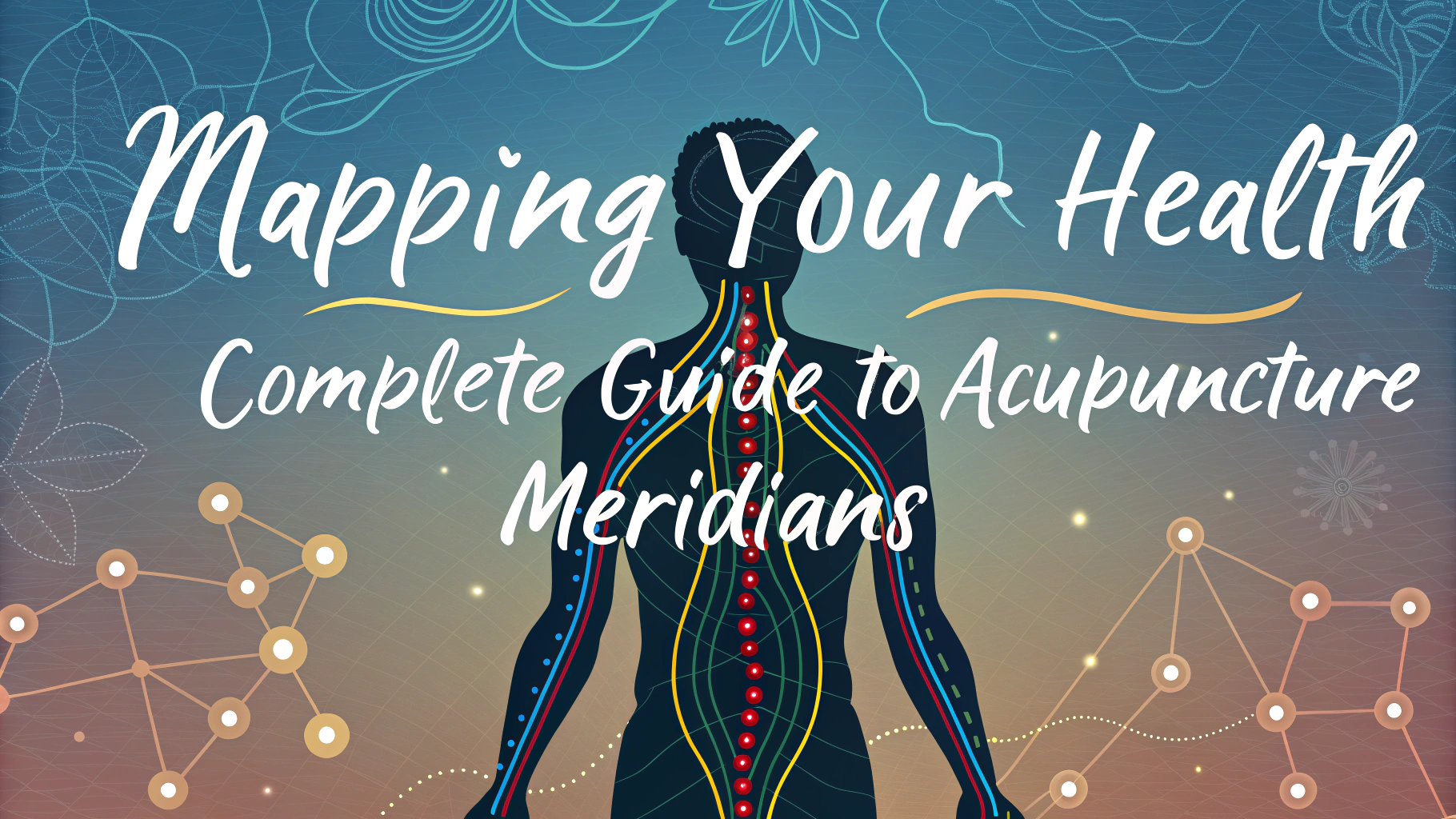
Traditional Chinese Medicine Weather Theory
Fundamentals
|
environment, health
Traditional Chinese Medicine (TCM) recognizes intricate connections between weather patterns and human health, developing sophisticated frameworks for understanding these relationships over thousands of years. Weather changes can significantly impact our ... Read more
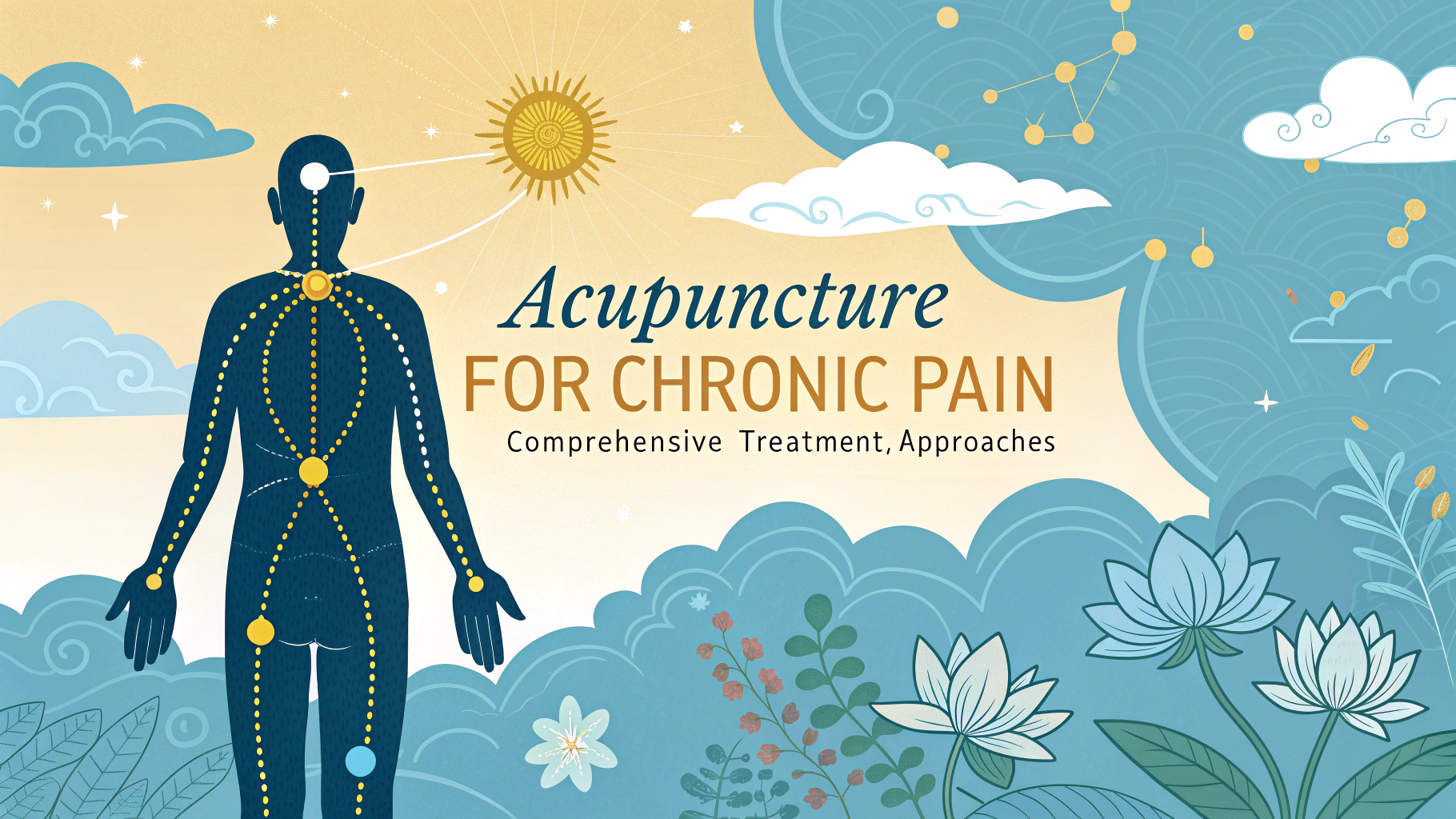
Acupuncture for Sinus Health
Conditions Treated
|
allergies, respiratory
Acupuncture offers a time-tested approach to managing sinus problems by targeting specific pressure points that can help relieve congestion, reduce inflammation, and restore proper sinus function. Traditional Chinese Medicine views ... Read more

Understanding Point Selection
Fundamentals
|
technique, theory
Point selection stands as one of the most important aspects of effective acupuncture treatment. Skilled practitioners combine traditional wisdom with modern understanding to identify the optimal points for each patient’s ... Read more
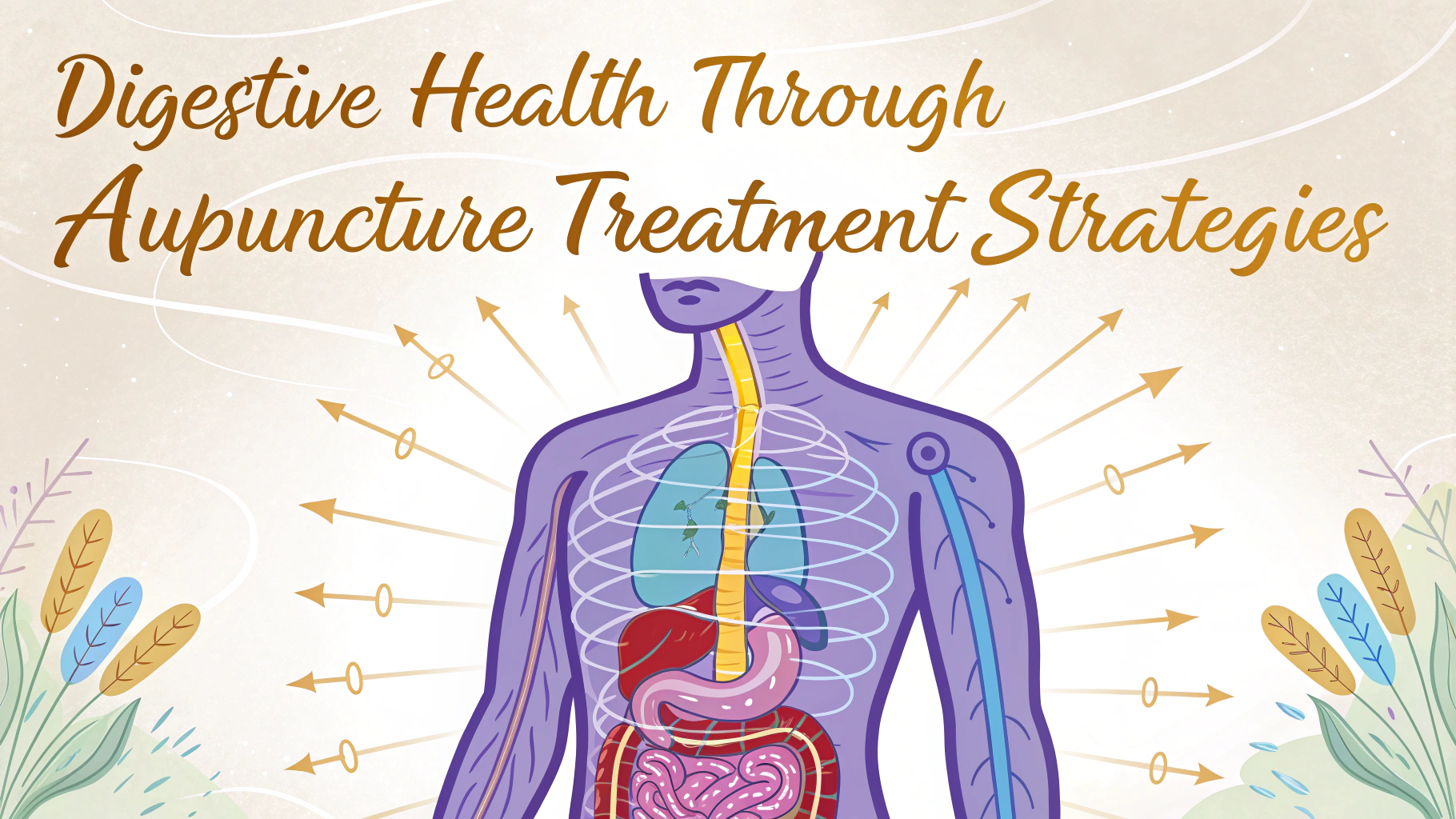
Treating Computer-Related Pain
Conditions Treated
|
ergonomics, pain
Computer-related pain affects millions of people who spend long hours working at their desks. Acupuncture offers a natural, effective treatment option for various musculoskeletal issues that develop from prolonged computer ... Read more

Acupuncture for Lymphatic Health
Conditions Treated
|
circulation, immunity
Acupuncture offers a time-tested approach to supporting lymphatic health through strategic needle placement and gentle stimulation techniques. This ancient Chinese medicine practice helps activate lymph flow, reduce swelling, and enhance ... Read more

Understanding Treatment Intervals
Treatment Guides
|
frequency, scheduling
Treatment intervals for acupuncture can significantly impact the effectiveness of your healing journey. The frequency of acupuncture sessions depends on your specific health condition, severity of symptoms, and overall treatment ... Read more